-
 NEW JERSEY
 -
 NEW YORK CITY
 -
 PHILADELPHIA
 -
 HARTFORD
 -
 SYRACUSE
 -
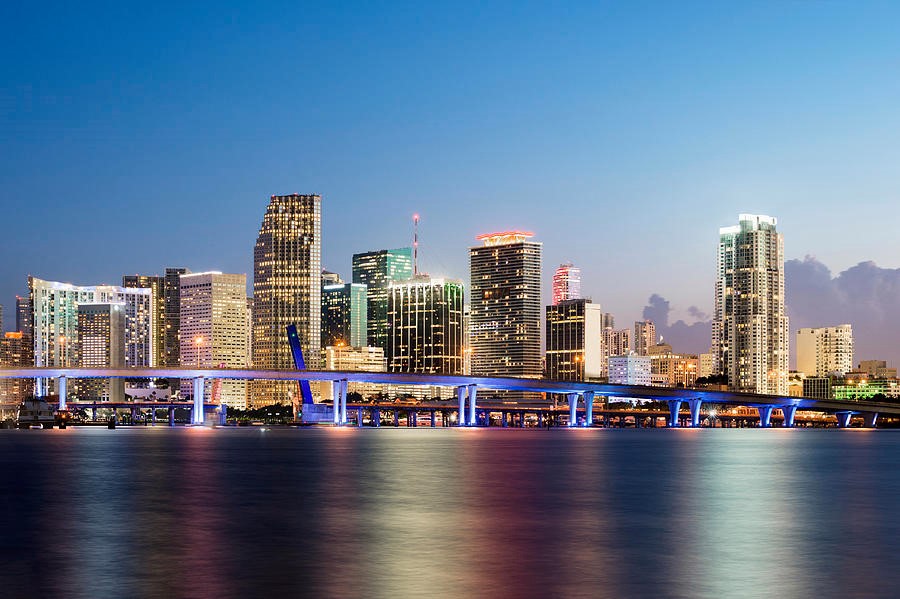 MIAMI
MIAMI
A Commitment To Excellence
We are fearless in trial settings.
We are in it to win it.
McGivney Kluger Clark & Intoccia, a proven national defense firm, is dedicated to the highest level of representation of its clients through consistent and pragmatic communication of strategy, costs, and value.
McGivney Kluger Clark & Intoccia prides itself on its talented litigators and exceptional staff who passionately and zealously represent a wide range of clients in our key practice areas of products liability, toxic torts/hazardous substances, and general insurance defense of liability claims. Founded in 1994, our nationwide practice of over 80 attorneys serves clients from its ten locations including Livingston, NJ, New York City, NY, Brooklyn, NY, Philadelphia, PA, Syracuse, NY, Hartford, CT, Wilmington, DE, Buffalo, NY, Miami, FL, and Frisco, TX.
Commitment to Diversity & Inclusion
At McGivney, Kluger Clark & Intoccia, we believe that a diverse workforce makes us a stronger and better law firm.
Commitment to Excellence
McGivney, Kluger, Clark & Intoccia has delivered exceptional client service since our inception in 1994.
Commitment to Clients
McGivney, Kluger, Clark & Intoccia is one of the nation’s premier defense firms representing a diverse range of clients.
Find An Attorney In Your State
A
B
C
D
E
F
G
H
I
J
K
L
M
N
O
P
Q
R
S
T
U
V
W
X
Y
Z